Fine Motor vs Gross Motor Skills: Activities to Boost Both
You’ve heard mothers at the park tossing these terms around with the same nonchalance they use to toss a ball. So what’s the difference? Let’s
Serves to help young learners feel comfortable and engaged in the site. It’s a way to get to know many activities and build a positive learning environment. It can help in the development of the kids mentally and get to know about various types of fun learning activities , grow brains , and explore more.
We’re revolutionizing how children learn by providing a rich, engaging experience that goes beyond traditional classrooms. Instead of structured lessons, our platform offers a wealth of interactive activities and entertaining videos that make learning feel like an adventure.
Kids can explore topics, dive into hands-on challenges, and watch educational videos that spark curiosity. Whether they’re solving fun puzzles, creating imaginative stories, or discovering new ideas, we adapt to their individual pace and interests, making each learning session exciting and personalized.
Our goal is to make education a playful journey, where kids can learn and grow naturally, developing critical skills in a fun and supportive environment—without the need for rigid classes
Your little one will probably now be starting to read independently, but games and activities are still a fun way to help with phonic skills, word recognition and developing that all-important vocabulary.
Your child may become more aware of signs, notices, posters, newspaper headlines, TV adverts, and so on… so make the most of this new reading opportunity! This also helps to reinforce why learning to read is so important. Try some of our fun math games and activities with your child to practice their numeracy skills, build confidence, and support what they are learning at school.
2. Listening Games: Examples of active listening include making eye contact and using open body language to show engagement. Asking open-ended questions, paraphrasing what the speaker said to confirm understanding, and using short verbal affirmations like “I see” or “that makes sense”
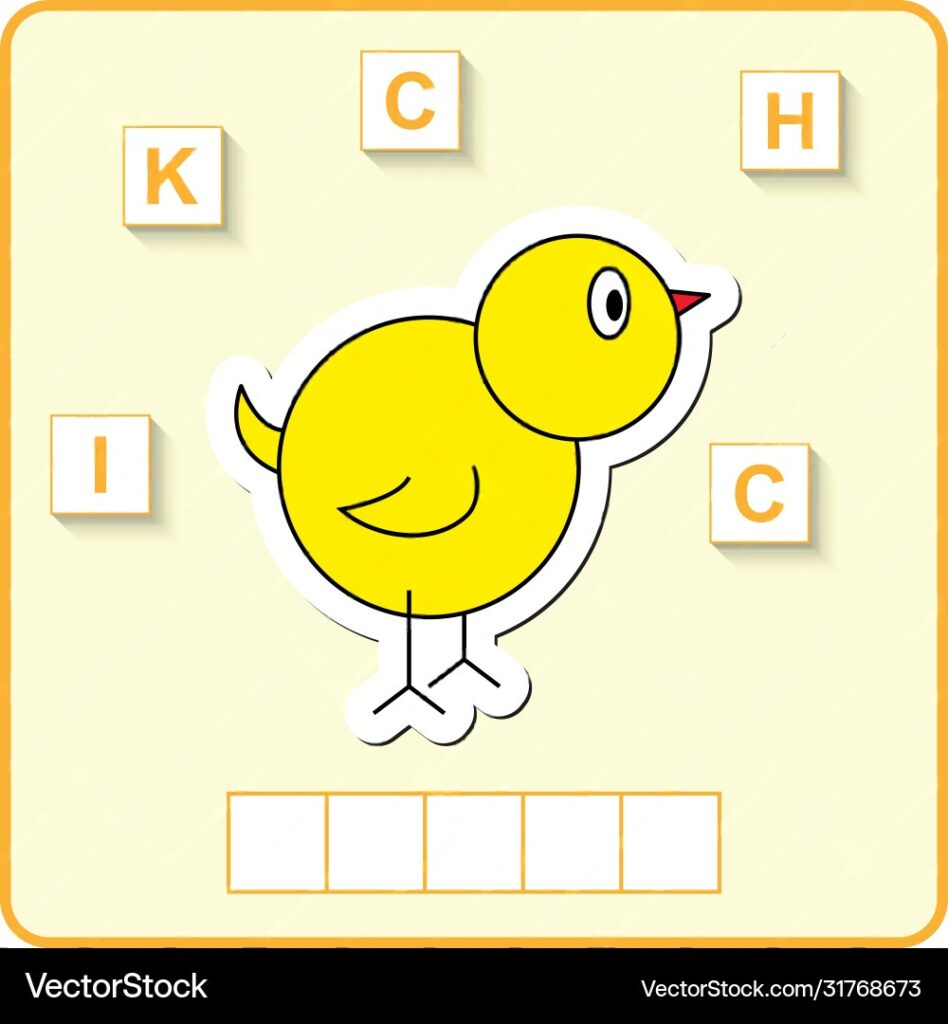
3. Phonics games are interactive activities that teach children the relationship between letters and the sounds they make, helping them decode words and build a foundation for reading.
You’ll need a ball and a set of alphabet flashcards for this activity. Flip over a flashcard and roll the ball to your child. Your child then has to name a word that begins with that sound. They can then roll the ball back to you or another parent/sibling who has to say another word that starts with that same letter. Do this a few times with one letter before switching to the next.
The platform is designed for kids of various age ranges, typically from 5 to 12 years old, though younger and older children may also enjoy the content depending on their interests and learning style..
This website offers a variety of interactive activities, fun challenges, and engaging videos that help children learn in a playful, hands-on way. By exploring different topics at their own pace, kids can develop new skills without the pressure of traditional classes.
While we offer a mix of free content, there may be premium activities and videos available through subscription or purchase. We strive to provide high-quality educational content that is accessible and affordable for all families.
Currently, the platform is designed for individual learning. However, we are continuously working on adding features that may allow for group activities or collaborative learning in the future.
Yes! The educational videos are age-appropriate, ensuring that the content is both safe and engaging. However, parental guidance is always a great way to enhance the learning experience and discuss new topics.
You’ve heard mothers at the park tossing these terms around with the same nonchalance they use to toss a ball. So what’s the difference? Let’s

Not all screen time is created equal in today’s world of digital material, particularly for young children. For kids ages three to five, interactive, educator-approved
Smart Play at Home: Fun + Education! Toddlers learn best when they explore and play with their hands. However, you don’t have to shell out
A crucial aspect of a baby’s development is sensory play activities . Babies start using their senses—taste, smell, sight, hearing, and touch—to explore the environment as soon as they are born. These encounters set the stage for language development, motor skill improvement, and cognitive progress. Sensory play activities only needs to be age-appropriate, safe, and entertaining; it does not need to be elaborate or costly. Try these ten easy yet engaging sensory play exercises with your baby (0–12 months). 1. Texture-Based Tummy Time Age range: 0–6 months Place a soft blanket on the floor and wrap your infant in a variety of textured materials, such as terry cloth, silk, and cotton. Their tactile awareness will be improved when they experience the difference in textures as they raise their head and push with their arms. Guidelines: To avoid choking dangers, use large pieces of fabric and provide close supervision. 2. Using Warm and Cool Bowls for Water Play Age range: 6–12 months Pour warm water into one shallow bowl and chill water into the other. Allow your infant to feel the difference by dipping their hands or feet into each. Why It is Great: Improves touch sensitivity and fosters an early grasp of temperature. Safety Tip: Stay away from extremely hot or cold water and always keep a close eye on things. 3. Books and Cards with High Contrast Age range: 0–4 months High contrast colors, particularly black and white, are ideal for newborns’ vision. To promote visual tracking and focus, show them books or flashcards with great contrast. 4. Examining Crinkly Paper Age range: 3–8 months
Lorem ipsum dolor sit amet, consectetur adipiscing elit. Ut elit tellus, luctus nec ullamcorper mattis, pulvinar dapibus leo.Lorem ipsum dolor sit amet consectetur adipiscing elit dolor
John Doe Tweet
console.log( 'Code is Poetry' );
Add Your Tooltip Text Here